
RIDICULOUS TO REALITY HOW DO WE PREDICT A FUTURE FOR THEMED ENTERTAINMENT? Part Two: Riding The Wave
[A three part series on Future Thinking for the Themed Entertainment Industry. Philip Drake - April 2024]
Part Two: Riding The Wave
“The future is hiding in plain sight! We just have to work to see it.”
- Unknown
“You can’t stop the waves... but you can learn to surf.”
Jon Kabat-Zinn - Professor Emeritus, University of Massachusetts
Hiding In Plain Sight
Of course, our world continues to change and at times it seems we have no chance of keeping up with it, let alone trying to get a handle on what is coming over the horizon. Over the last ten years we have seen some seismic shifts which will have ramifications far in to the future.
Be it in global patterns of nature and economics, or social change whose time has come, these events and movements will influence the themed entertainment industries in both anticipated and equally unpredictable ways. The point here is to recognise them and to bring them into a conversation of future planning and foresight. Here are a few of the big ones we should be talking about.
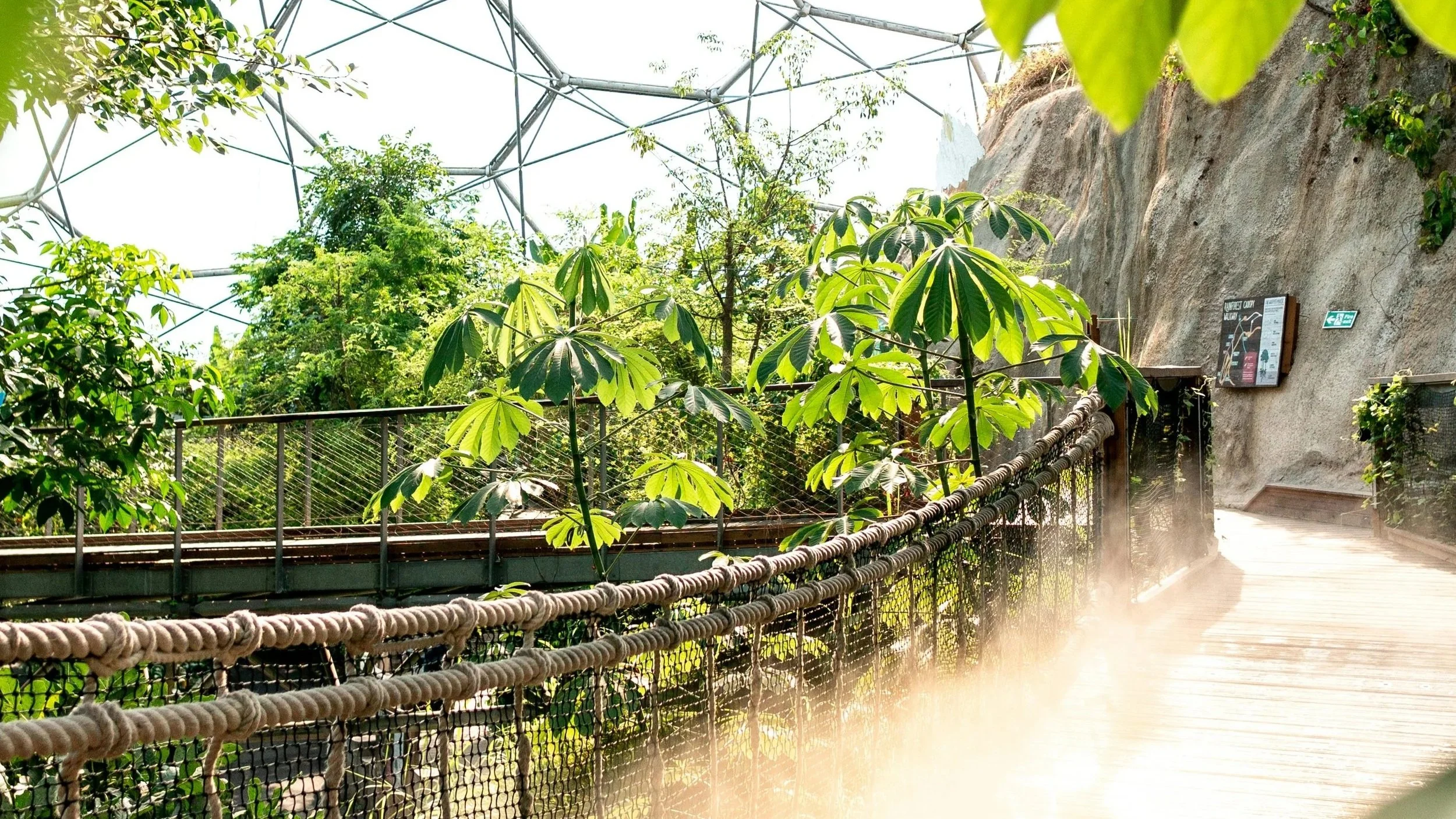
Photo by Jack Young
Demanding Climates Lead to Demanding Control.
Historically, not all, but most of our large theme parks and attractions have been located closer to the middle latitudes, taking advantage of the sunny climates and what was hoped to be less rain days with a longer peak summer season. I think this focus is going to change and there are four main factors at work.
We now recognise spending endless days in the sun is not good for us. Globally skin cancer rates rose 44% between 2008 and 2020 and predicted to continue to increase more rapidly. We will increasingly be looking to stay out of the sun. (Global Coalition for Melanoma Patient Advocacy - 2O2O Melanoma Skin Cancer Report.)
With changes in global climate patterns, a lot of those middle latitudes are beginning to experience more extreme weather –for example July 2023 was just announced as globally, the hottest month on record. We are already seeing parks try to more proactively manage the weather impacts on guest experience. Many parks have partially or fully covered their “main street” and major pedestrian routes to minimise impact of both rain and heat. We also see more major development of indoor/outdoor attractions or completely indoor parks such at Warner Bros in Abu Dhabi. Even in higher latitudes and cooler climates we are seeing more interest in creating more fully indoor or indoor/outdoor parks from the outset. This will continue and even become the norm.
Customers a simply demanding a more controlled and consistent experience. I believe this is partly in response to more extreme global weather patterns but also, increasingly knowledgeable, worldly and discerning customers know how to compare, critique and make choices about how to best spend their leisure time.
Most businesses are trying to be more efficient, leveraging costly assets with extending operating hours, minimising the effect of rain days, looking at ways to offset traditional seasonal fluctuations, or avoid low season downtime. A more controlled environment gives added options to be open at less conventional times. Further, flexible and non-traditional work hours, limited leisure time and increased urban population densities all point to being able to operate your experiences longer into the night, if you have control over external factors.
So I believe we’re going to see much more focus on indoor experiences and controlled environments. That could mean more shaded or covered areas, more fully indoor attractions, more indoor/outdoor attractions. That is not to say we won’t see the big rides in big outdoor spaces, but I think even that model will look a little different around the edges, which leads us to the next big wave.
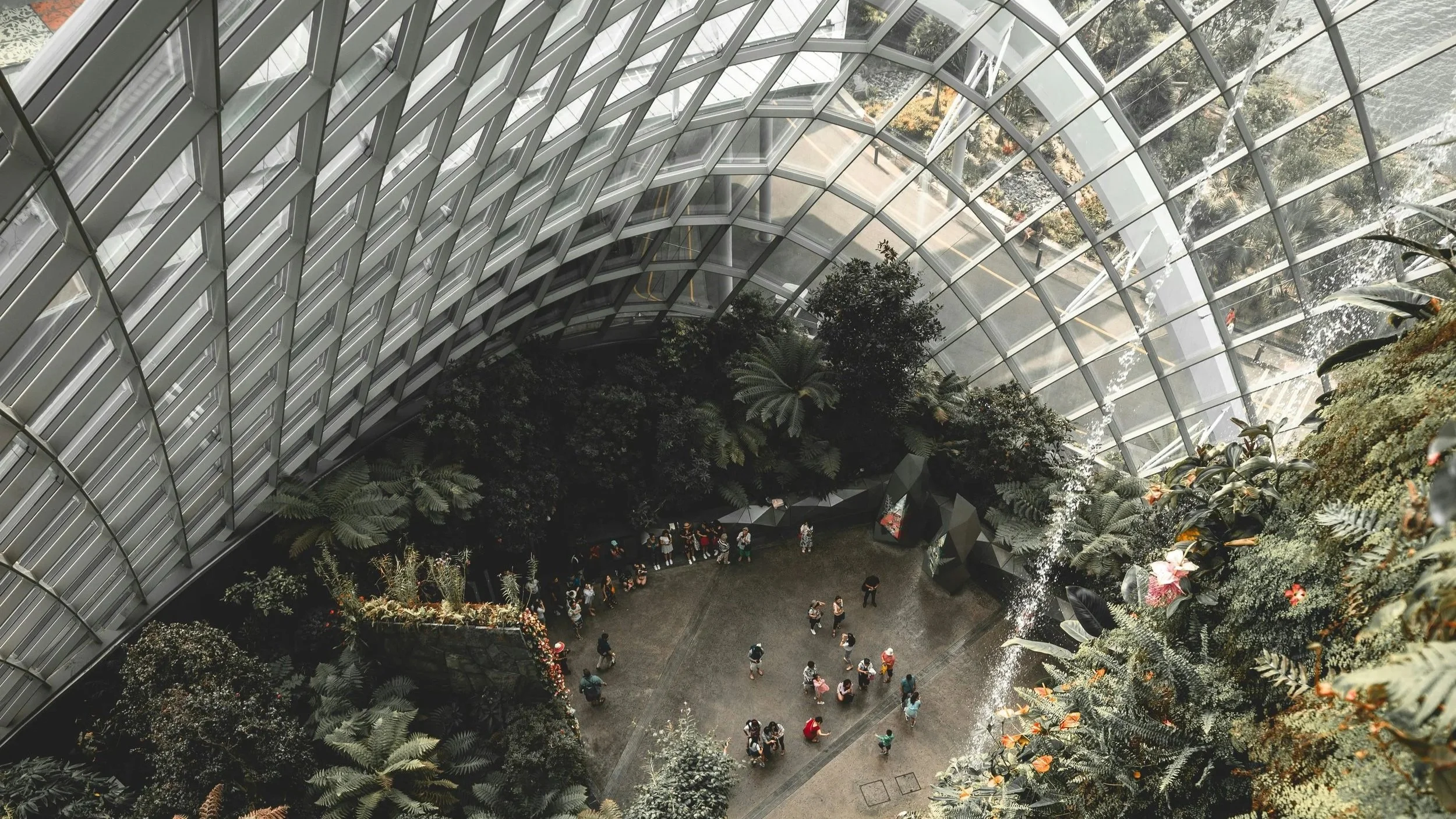
Photo by Will Truettner
De-evolution of the Mega Parks (Yes, I said it!):
In parallel with covering and providing more flexible operating hours I think we are already seeing the evolution, or perhaps de-evolution of the mega park. I believe the giant parks like Disney and Universal Studios have reached a natural size cap and eventually even new developments at these parks will begin to have a different model of operation. There are a few signals that point to this:
Climate control and weather cover, as mentioned about, means building canopy structures and indoor spaces and that generally will limit the sprawling size. This doesn’t necessarily mean parks will be smaller by other factors such as number of rides and experiences.
Perhaps more likely is that rides and attractions will get become more tightly integrated, intertwined and even stacked. Fairly recently wrapped up on some work on Skyworlds Theme Park in Malaysia that offered the same number of big rides as a Universal Studio or Six Flags park, but on one third the usual footprint. Rides were stacked and overlapped and there were even 3 big ride spaces below the main park level, effectively in basements.
We will definitely see more of the pedestrian spaces climate controlled, with the ride tracks looping in and out of the open outside world.
Also, I can see big parks looking to cluster individual themed precincts around connected buildings or even domes – hub and spoke style – this allows for keeping canopies to a reasonable size but allows considerable operational flexibility.
Significant available land size close to population centres is becoming ever more difficult to source globally so it will become ever more sensible to downsize the footprint.
The biggest parks are, in many cases, becoming too big for a single day, and therefore many more people feel they need to pack as much in to an epic day as possible or they are not getting their value from the ticket price. This makes the big parks a big monumental experience, but exhausting, and with the constant concern of missed experiences and lost value. I think a reset is coming as parks either favor a size that can easily be managed by a family in a day and/or get broken into multiple zones with connected or linked ticketing to either do a single day with a single zone or a multi day selected-zones type of experience.
Finally, in between the mega parks, the more specialised smaller groups of parks and attractions are starting to emerge to cater for shorter experiences, less expensive tickets, more flexible hours and immersive fully-covered experiences. These outlier clustered attractions may have a focus on a particular technology or single IP. They may be owned by a single entity or be all independent, but in some way can be working together to be the big destination without a headlining mega-park.
I call these “third day” attractions (a metaphor indicating a “what’s next” paradigm, eg: when a family goes on holidays they might spend the first day on the beach, the 2nd day at a big theme park or “world”, and on the (metaphorical) 3rd day many are looking for a somewhat less epic day – shorter, more comfortable, out of the weather.
A further great advantage of mid or smaller parks is that they frequently can take on new technology or a niche speciality far quicker than the big parks, and this will likely throw much more focus on smaller parks appealing to tech-savvy next-gen demographics and ever more discerning “unique experience” hunters. Using media and new technologies they will be able to curate individual experiences and refresh content or themes regularly.
Image by evening tao
Catch and Release – A Post-Pandemic Paradox
The monumental changes wrought by the COVID-19 pandemic have left an indelible mark on the leisure and themed entertainment landscape. Although we have tentatively walked the path toward normalcy, it’s evident that our definition of “normal” has irrevocably changed. Future attractions will bear the imprint of this paradigm shift, with subtle design modifications aimed at ensuring guest safety and comfort. Temporary measures put in place during pandemic will inform long range planning and the possibility of future pandemic events.
From spaced-out seating arrangements to meticulously curated visitor journeys, the emphasis on crowd control, guest flow and flexibility becomes paramount. Such changes may allow for keeping guests further apart as a permanent design or as a flexibly changing state according to crowd flow. Attractions will also focus on having a significantly enhanced experiences but within smaller groups.
One significant challenge in such post-pandemic future planning, that will certainly benefit guests more immediately, is finding ways to minimise or eliminate queuing. Visitors won’t accept being packed into a crowded space for hours, inching along through row after row toward a ride loading platform. Virtual queuing is part of the solution, as will variable holding points, but I believe it will take a more holistic approach, encompassing a seamless multimodal flow that maximizes guest enjoyment from beginning to end.
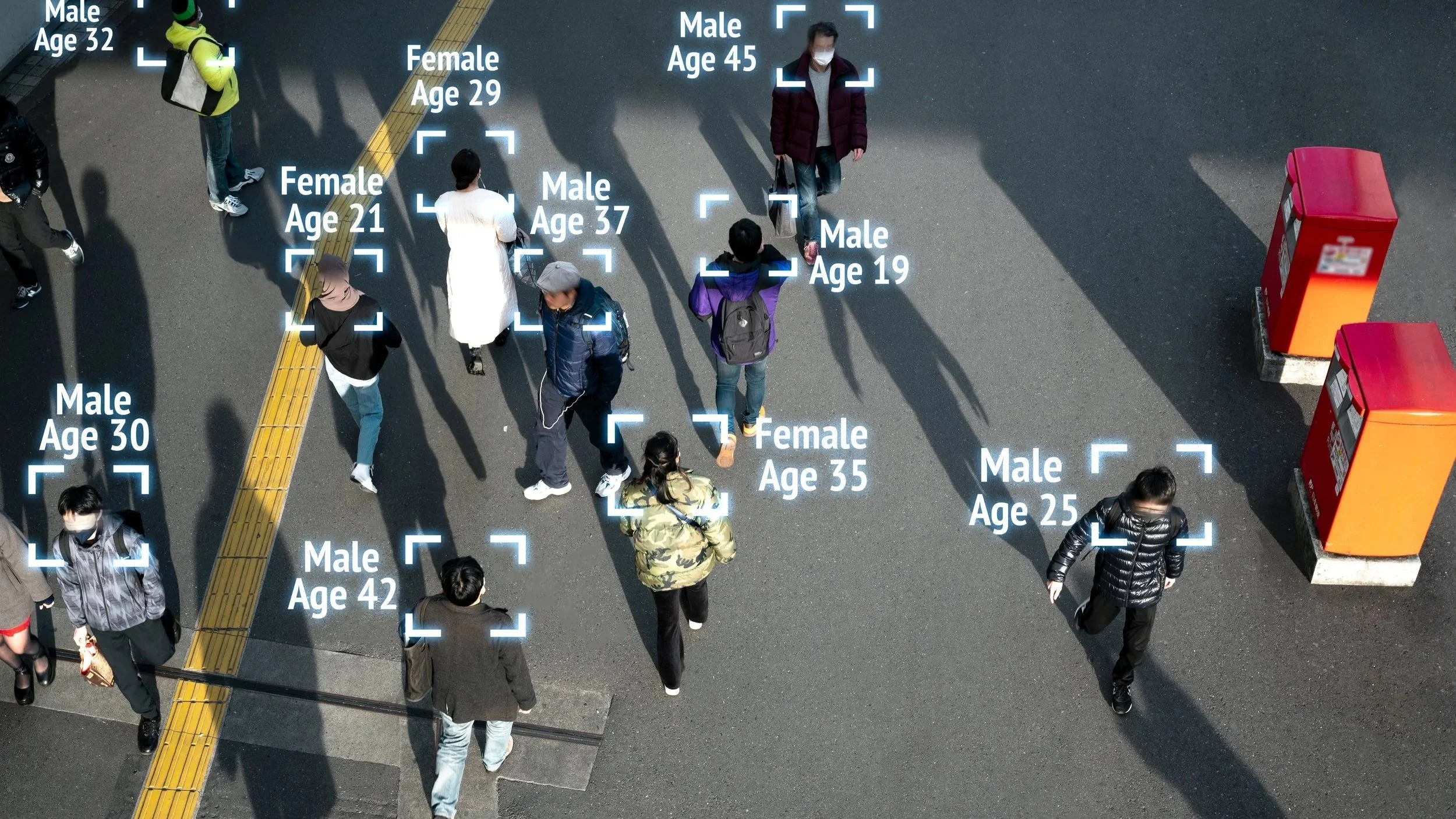
Photo by freepik
Inclusion - As a Master Planning Strategy
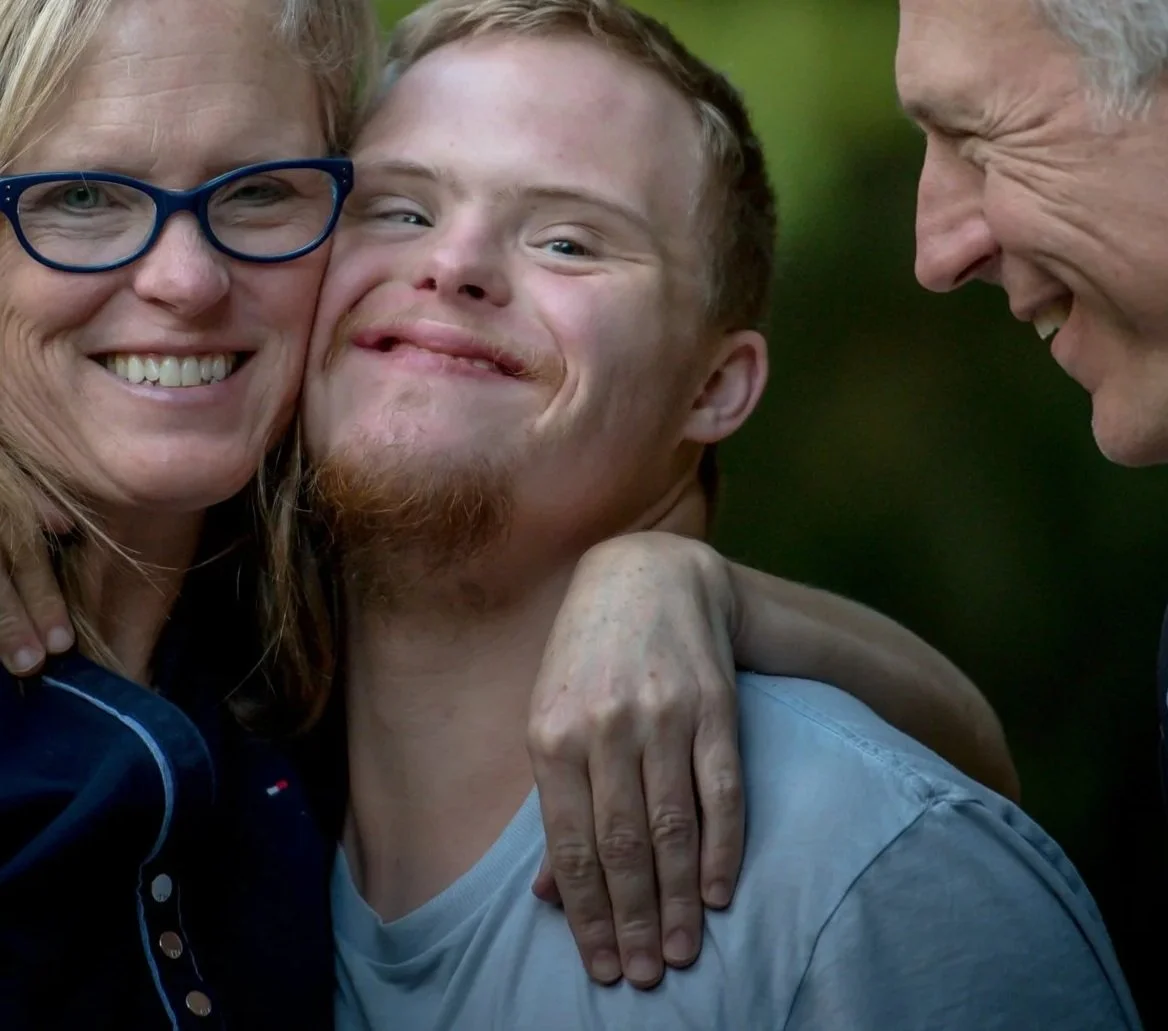
To many businesses in the tourism sector, being accessible to people with disabilities means simply installing wheelchair ramps. However only about 4.4% of people living with a disability use a wheelchair. This leaves a huge percentage people with a diverse range of disabilities struggling to access leisure and themed entertainment experiences, especially in a way that is inclusive of friends and family.
… about one third of the entire population has accessible and inclusive leisure on their radar.
In many countries, taking into consideration people with disabilities, plus their friends, families and carers means about one third of the entire population has accessible and inclusive leisure on their radar. This is a sizeable segment of the market that has been, and for the most part, continues to be overlooked and under supported.
The awareness of this situation is building, but most operators have been slow to respond. However, I think we will be reaching a tipping point soon, where both the public and the legislators will demand a more rapid pace of change.
In some cases this may require an adjustment to ways of access or types of facilities, but in most cases it should be a paradigm shift, rethinking experiences from the ground up - redefining just how a multimodal form of inclusion can offer significant leisure and entertainment experiences to a diverse range of guests, including those people with or without intellectual, physical or sensory impairment.
As mentioned above, the smaller parks and niche “third day” attractions will be able to adapt more quickly and we will see more attractions even taking on this aspect as their flagship strategy.

Photo by Elevate
What’s next...
Riding the waves of change is a legitimate future thinking strategy, as long as you are focused on seeing further than ahead than where you are currently standing, so you can look for the openings, the patterns and the signals. Hopefully to get you out there ahead of it.
As, previously noted there is no way to predict the future with certainty, just ways to observe, question, research, be open to possibilities and to make some educated guesses or assertions.
This assessment is not exhaustive so doubt I have missed important things. Many will disagree with my assertions, and that’s OK, nothing about the future is finite or certain. The important thing is to start to observe, and to question, and to discuss.
In Part Three, the final in this short Future-Thinking series I will take a closer look at The Reality of Enhanced Reality, What I Want, When I Want it!, into The Wild, Immersed in Immersion, and getting Multimodal in Part 3 : SO YOU WANT IT BIG?