
RIDICULOUS TO REALITY - HOW DO WE PREDICT A FUTURE FOR THEMED ENTERTAINMENT? Part Three: So You Want It BIG!
[A three part series on Future Thinking for the Themed Entertainment Industry. Philip Drake - May 2024]
Part Three: So you want it BIG!
“If you want something you have never had, you must be willing to do something you have never done.”
-- Thomas Jefferson
On a clear day you can see…
With no apparent hard data on the future, or the ability to actually predict the next “big thing” we rely on the signals, the trends, and some solid creative foresight work to make a “best guess” and get out in front of it.
Look for “inflection points” say the futurists, signs in the margins that point to what is coming, and in “the interconnection between technologies and society and economics and organizations” (Gorbis, 2019).
So, let’s take a closer look at four big signals that may in fact become Big Things.
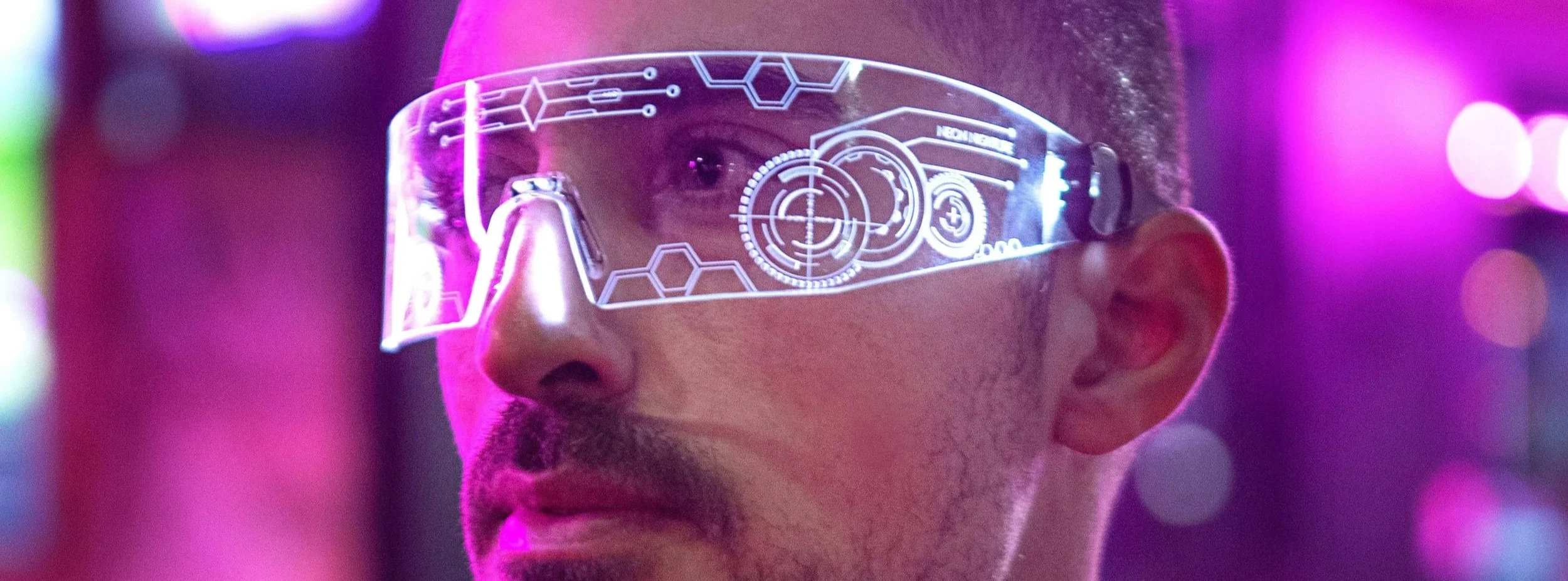
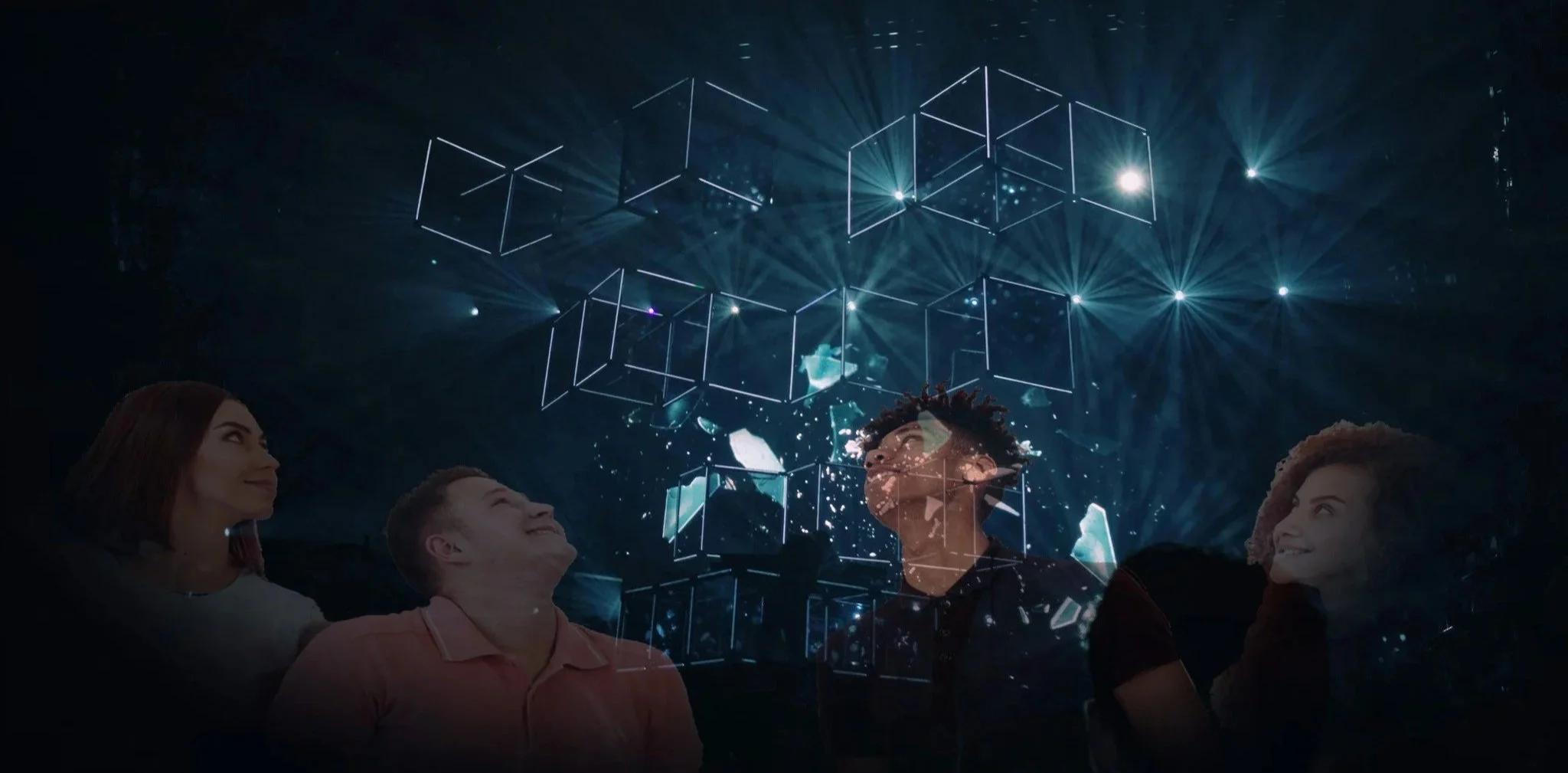
Photo above by Ameer Basheer
The Reality of Enhanced Reality
Perhaps too much has been written about Virtual Reality (VR) and Augmented Reality (AR) lately. I think this is one of those fields that is in a period of very rapid transition, with still a long way to go and no one really knows where it will land. What was once marginal is now becoming a primary focus of development in the themed entertainment industry, with new technological announcements almost every month.
However rather than trying to predict the short to medium term tech advances it seems better to apply a little long-range thinking about a general trend or target for its application in the future.
Despite the current wider use of VR, I believe the future points more towards Augmented Reality for themed entertainment experiences. Certainly, VR will have a place but I believe two strong advantages will eventually see AR take the lead (along with its embryonic future sibling: MR - Mixed reality), even if the tech is not quite there to support it yet:
AR is much more easily defined as a shared activity. So far, VR is largely still an individual experience whereas families or friends can share common (if individualised) experiences an AR. This shared journey is a very powerful driver in the experience economy.
Virtual worlds are wide open to the imagination but have limits when it comes to full physical immersion. Despite haptic feedback systems and environmental effects, nothing quite matches real world, edge-of-your-seat physical immersion for visceral, adrenaline pumping, emotional highlights. If the physical world can successfully be combined with augmented virtual elements, the possibilities for powerful immersive storytelling are enormous.
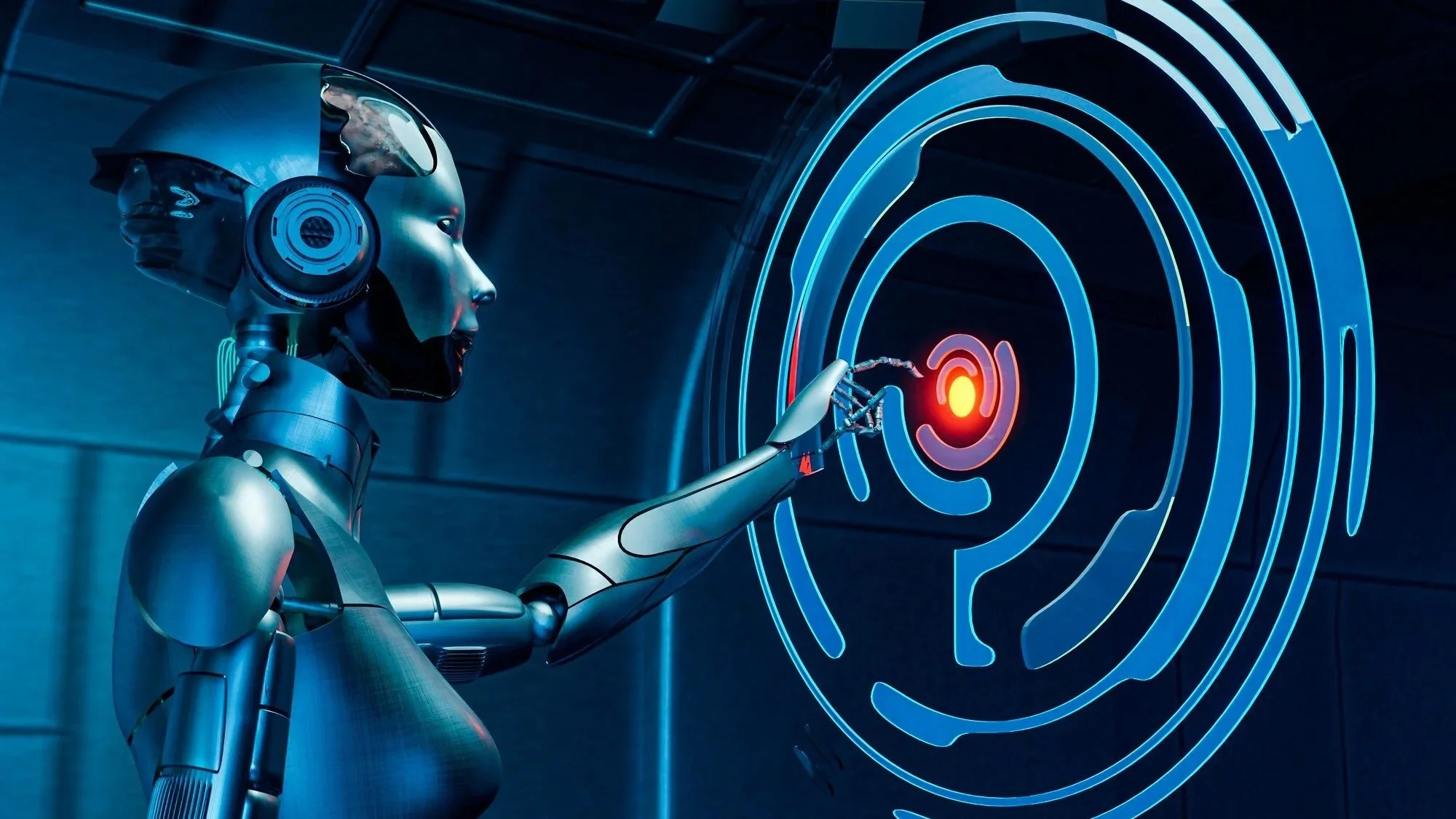
Image by Freepik
What I Want, When I Want it!
Even though today a visit to theme park involves a degree of self-curation, future recreation seekers will demand much, much more control over their experience, and bespoke technologies will be needed to facilitate this.
However more than simply a “choose your own adventure” option to go left or right, or between the Pirate VR at 2pm or the alien dark ride at 2:30pm, the level of immersion, and possible variations will be far greater, more complex and more personalised.
Certainly, we are seeing some experiences with multiple routes, multiple endings, and a degree of self-curation, but I don’t think it is too difficult or far reaching to imagine a park where artificial intelligence, ultra hi-res media screens, holograms, advanced robotics, and simulations converge to craft a kaleidoscope of possibilities.
A guest could potentially choose almost every aspect of the physical and non-physical environment, creating a personalised narrative. So even the route, the scenery, the plants, colours, temperature, lighting, characters, storyline, plot points and finale of a ride, attraction or show could have 5, 50, or 500 variations, responding to guest choices and preferences in a dynamic environment.
With that many options and possibilities, even if you came back hundreds of times no two experiences would be exactly the same.
Further than that, using haptics combined with physical effects (rain, wind, heat) and AI based storyline processing, I participant should be able to dial in the complete level of immersion for themselves or their group. Imagine being able to select the degree of thrill or perceived danger, the level of interaction difficulty, sensory integration, G-force and the physical effects, even the level of serendipity or apparent randomised occurrences that happen, to provide an experience which could range from a journey of harmony and whimsical fantasy, through to adrenaline elevating surprises and rapid-fire decision making with a perceived threat to one’s own safety.
Moreover, the ride or attraction, even the whole theme park system, will learn who you are, remember your favourites and adjust the options to help you craft exactly the experience you want.
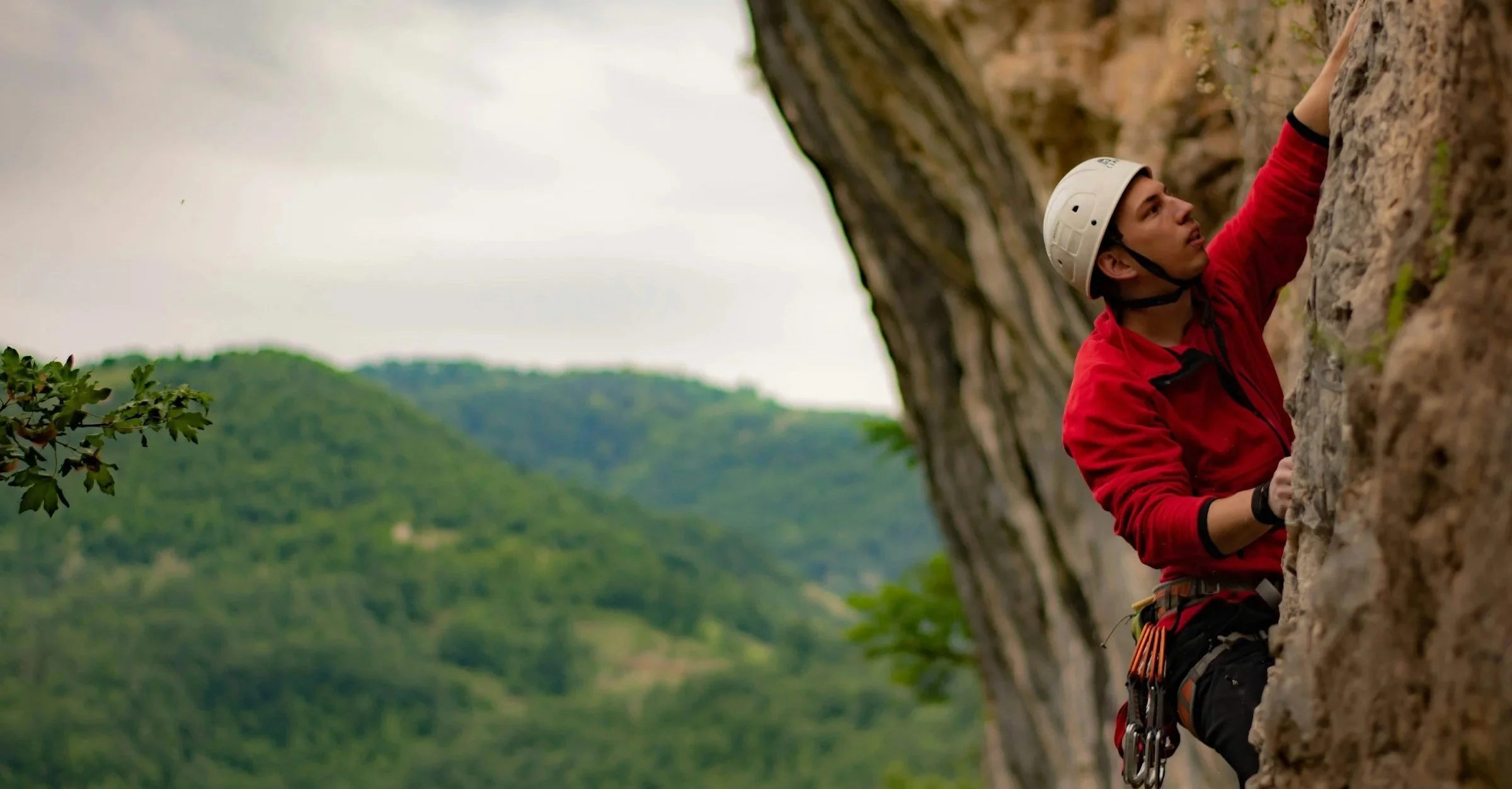
Photo by Mihajlo Sebalj
The Call of the Wild – Open All Hours.
Balancing the advances in technology, ever-busier online lives and intense stimulation of so many different distractions and entertainments is also a trend towards being able to choose leisure time with more simplicity and experiences immersed in nature. Be it labelled with Wellness or Eco-leisure this often nature-based movement seems to have accelerated since the pandemic and I believe will continue to increase.
While getting out to national parks and wild places may be the first choice, of course this is not always possible, so our urban parks and gardens will become increasingly important for leisure. These urban pockets of “nature” have always been curated in some way to enhance the experience, be it with gardens, seats, water features or open grassy fields. However, as with many leisure experiences in the past, we will continue to look for more control, convenience, flexibility and features.
Expanding from this natural world (and yes, ironically), technology will be used for enhanced or augmented nature experiences, offering options such as: a more condensed and intense immersion into a particular environment of your choice; more control and variety; guidance or information about the “nature” you are seeing; enhanced mapping of movements so that the environment responds to you; the convenience to change the style of the “natural” environment more quickly or tweak the content to a visitor’s preferences. And of course, more safety, weather control and the convenience of much longer functional hours than actual wild places… and closer to home.
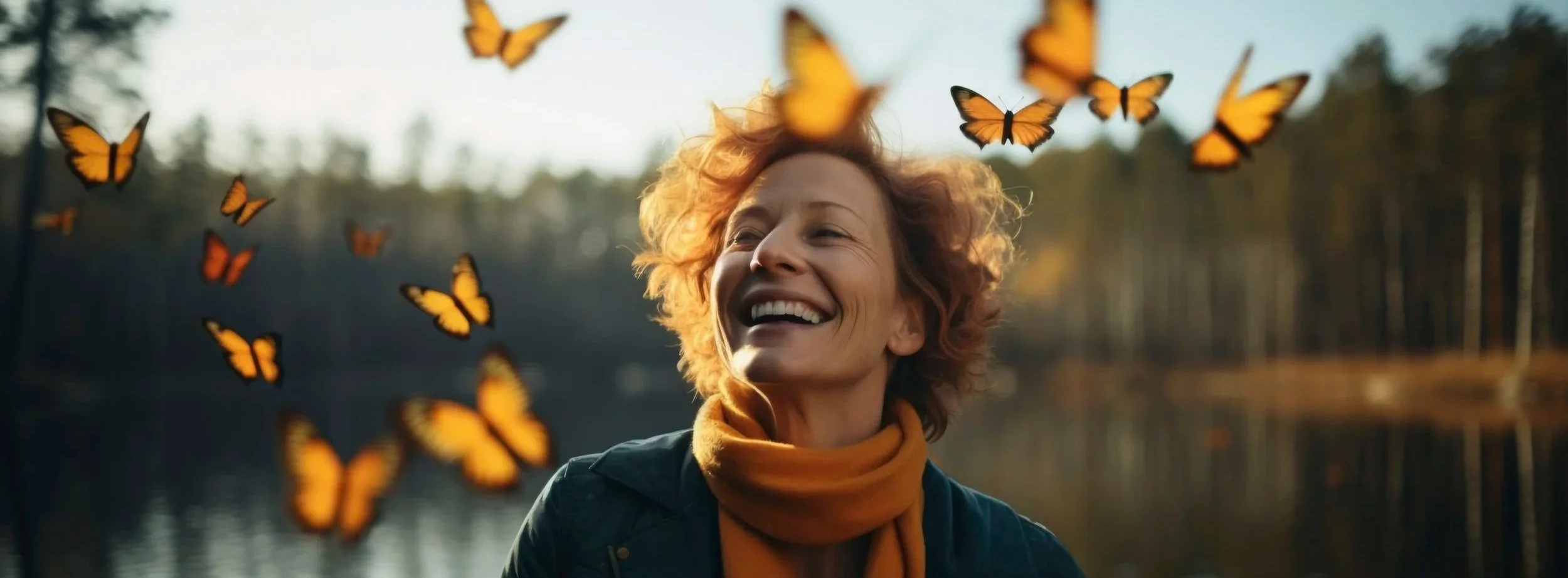
Image by Freepik
Importantly, nature is a visceral experience so these enhancements need to include the physical body and feelings of touch and smell – not simply a VR experience. Some experiences could be entirely physical, such as in a biodome enhanced with real and artificial plants, props and sets, animatronics, special visual and physical effects, haptics and biosensors plus electronic enhancements.
It is also likely that such spaces will contain both physical environments and be enhanced with AR or Mixed Reality overlays. Imagine being able to feel like you are out in a wide open grassland or the top of a mountain, complete with birdcalls, breezes and scents, but actually only taking up a limited footprint and never leaving your neighborhood.
Slightly aside from Themed Entertainments, this type of mini “enhanced nature” environment also has applications in leisure, relaxation, wellness and prescribed medical care. Evidence published in The Lancet recently shows that “nature prescriptions can help to restore and build capacities for better physical and mental health” a practice which is increasing in use. Such wellness-in-nature environments are not always possible in busy city environments and adapting these themed entertainment technologies can fill the void. (Nguyen, et. al. 2023).
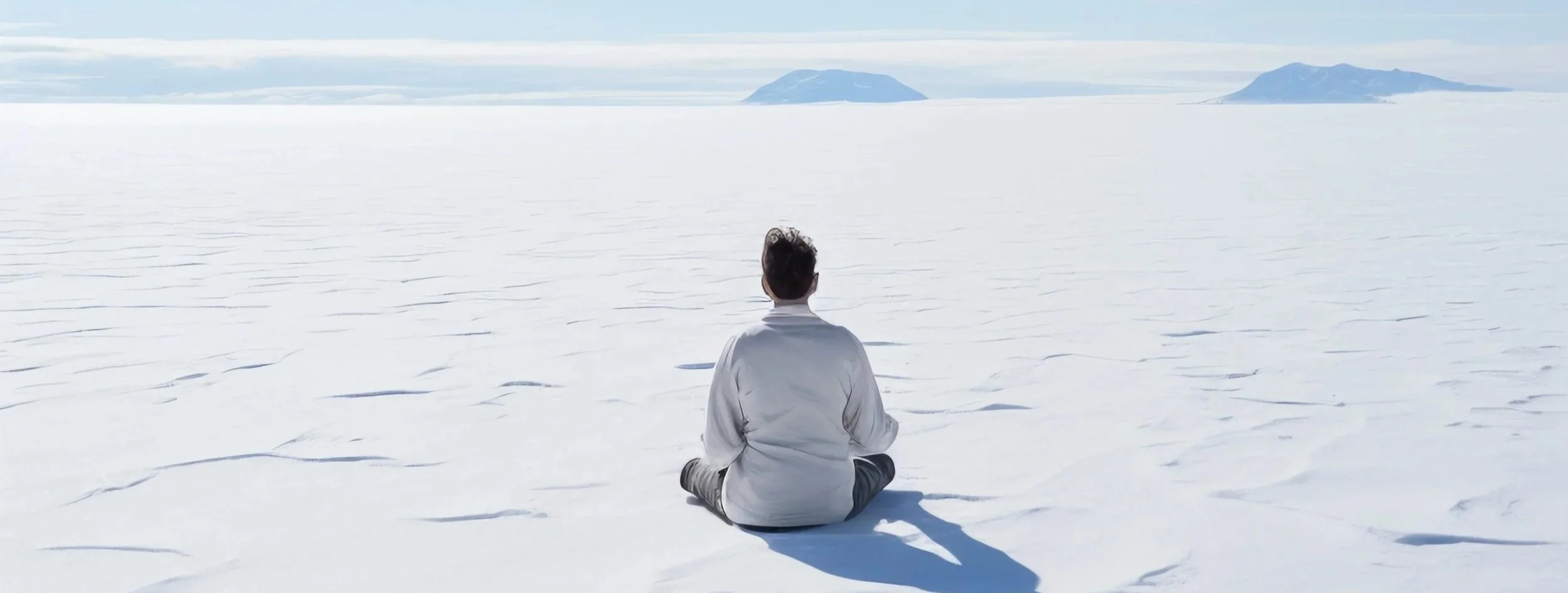
Image by Freepik
Immersed in Immersion.
Hardly an entertainment or theme park article lately fails to mention the idea of immersive experiences, so of course we need to consider what might this look like in the future? To do that we need to jump a little more deeply into the topic.
The term has been dominated lately by associations with technology-based experiences of VR and AR, and by reliance on big media-based environments such as in Van Gogh Live and Teamlab’s Borderless. However, let’s not forget it can equally (and originally) refer to all-encompassing or transportive 100% physical environments.
With that said, applying future-thinking to immersive experiences flags a fundamental shift we have been seeing, if slowly, from fundamentally passive to active experiences.

Image by Freepik
I’m talking about the level that someone chooses to commit to the immersion and the impact that immersion has on them. To actively choose immersion is different to passive immersion experiences.
For example, wearing VR googles, watching a film, or even walking through an immersive art venue are, in many ways, simply a passive immersion. Most theme park experiences are actually passive. Despite moving through an elaborate themed “world”, in most cases you are not impacting on that world and it is not impacting on you. It may be full of sights and sounds, you may be transported in your imagination to the stars or into a fantastical world, but it is till apart from you, it is still based on the premise of “I’m ready, now entertain and thrill me”.
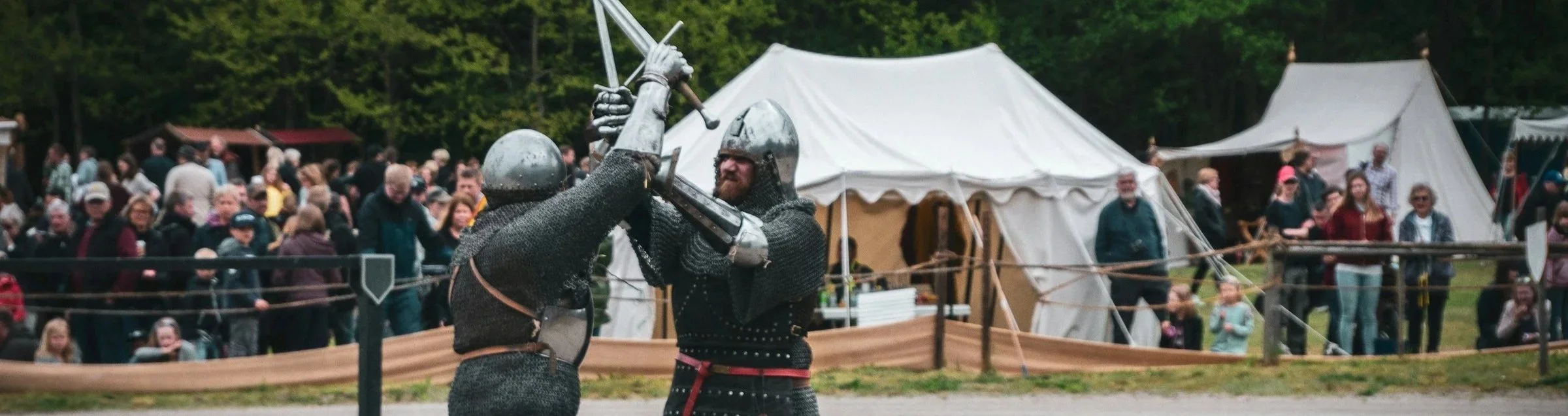
Photo by Casper Johansson
The other side of a passive immersion is active immersion by choice. This might as simple as choosing to change into bathers and jump into a swimming pool, putting on skis and heading out onto a cold slope, running onto the field for a football match, hiking in the mountains, donning armour and joining a medieval battle re-enactment. Most water park experiences are active immersions because you have actively taken steps for something to impact upon you. You are not merely watching as things take place all around you, but are active within that world. You get wet, maybe you get cold, you take on and respond to actual risks. The choice is made: “I am going to participate in this – I’m going to be an active player in this experience”.
We see evidence in the incredible prevalence and popularity of role-play gaming and the IP being adapted to theme park precincts. Also in the popularity of fantasy, sci fi or historically themed resorts, and in the boom of authentic eco-tourism, cultural immersion and so-called “hard” adventure experiences.
As I think about where all this is going and when I combine these ideas with both a preference for self-curation and the need for multi-modal themed leisure and recreation platforms it points to being on the edge of a new paradigm of multi-layered and actively immersive experiences.
I believe we will see a polarisation of passive and active immersion. Many will reject simple observation and waiting to be entertained or thrilled. In this brave new world of active immersion, guests don’t just visit attractions—they inhabit them.
Experiences will need dial-in options for levels of active immersion, from simple ideas such as choosing multiple story lines or the degree of shock and thrill at the end point or finale, to fully embedding into a narrative world for the entire day or multi-day experience (think of a real Westworld).
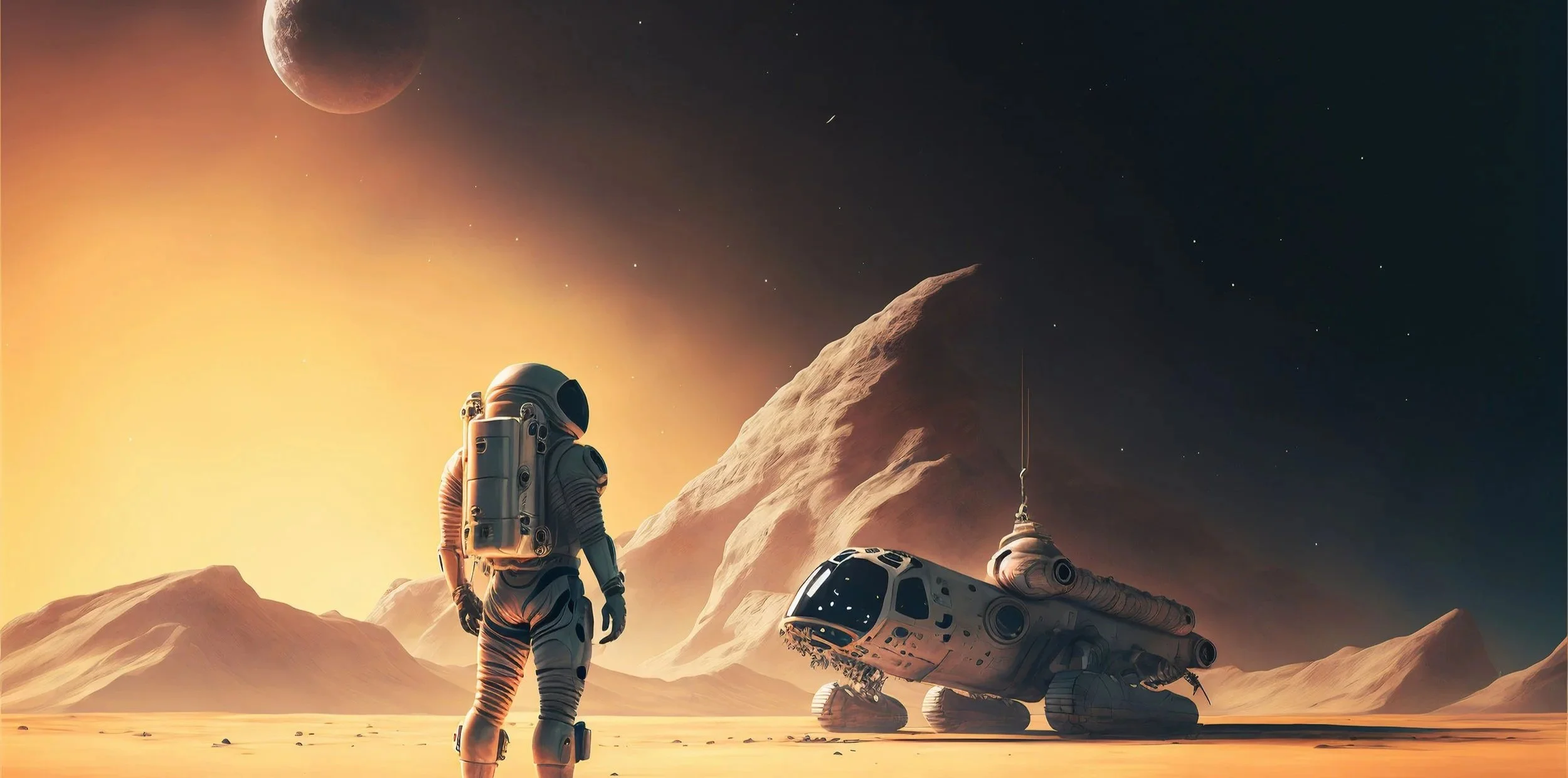
Image by Freepik
Concurrently, what we presently think of as active immersive experience will eventually need to add further hybrid levels. Perhaps something like detailed theming and elaborate journey storylines can be built into what we currently know of as a waterpark.
Further, it is highly likely that immersive physical environments will include hybrid elements borrowed from passive and virtual immersions such as VR and big media environments.
In the future I believe we will see more active immersion by choice, not only as self-curated experiences but necessarily multimodal in application. Which brings us to MMX.
Photos by fabio and Freepik
Let’s get Multimodal
The concept of Multimodal Experiences [MMX] is already emerging. While it intersects with most other ideas mentioned in this Future Thinking series, its essence lies in the fusion of disparate elements into a seamless whole.
Picture a narrative-driven attraction that seamlessly transitions from an interactive media space to a narrative enhanced boat ride to an AR guided jungle walk, then a physical roller coaster and culminates in an exploration of an enchanted cave—all within a single, cohesive experience.
Carefully done, this method can also exchange queuing for immersive experiences along the whole journey. Instead of queuing for an hour just for a two-minute coaster ride, an imperceptible queue will have begun in the interactive media space where subtle clues lead you to the walk-though experience, taking you to the boat ride which continues the storyline and will deliver you with precise timing at your coaster loading timeslot.
In many ways this seems to break the standard mold of what we have known themed entertainment experiences to be for about 50 years, but at the same time it has been there all along, in a much less defined and much less focused way.
I believe what we will see, sooner rather than later, is a hybrid of self-curated, multimodal, actively and interactively immersive experiences enabled by technology and driven by a personalised narrative. The reason I say “sooner” is that all of these elements exist in some limited forms now, and it may just be a matter of extending them as far as developing technology allows, and stitching them together with the right application, into that “seamless whole”.
What’s next...
This has been a short series exploring ideas about how we can predict the future of themed entertainment. In truth of course, we can’t actually predict the future – not conclusively. The best we can do is to observe, explore, look for patterns, gather information and ideas from wide and varied sources, and then make educated guesses or assertions about what is likely to happen. That is as close as you get to an actual prediction.
We are probably going to seeing a hybrid of most the ideas I’ve mentioned in some form, and more besides. This assessment is not exhaustive so no doubt I have missed important things. Some may be experienced sooner and others will be decades in the making – but again, I’m not sure that anyone can be accurate on an exact timeline.
Does all that sound just a little uncertain? Yes, I would agree.
The alternative, and my very favourite advice about the future, is to make the future for yourself. “The future doesn’t just happen to us. We have agency…” - we can steer it. (Gorbis, 2019). Imagine whatever you want themed entertainment to be in the future and take actions to get there.
So when I get asked “What’s the next big thing?” I think my best answer has to be “What do you want it to be?
“You don’t have to be great to start, but you have to start to be great.”
-Zig Ziglar